Specialized · Hazmat
DOT-compliant hazmat freight
Paints, batteries, chemicals, and compressed gases moved legally — classified, packaged, placarded, and documented to 49 CFR, in LTL and full truckload, on carriers certified to haul them. The freight most brokers won't touch, owned end to end.
- Regulated by DOT · 49 CFR · PHMSA
- Modes LTL · full truckload
- Classes All 9 hazard classes
- Handled Classify · placard · doc
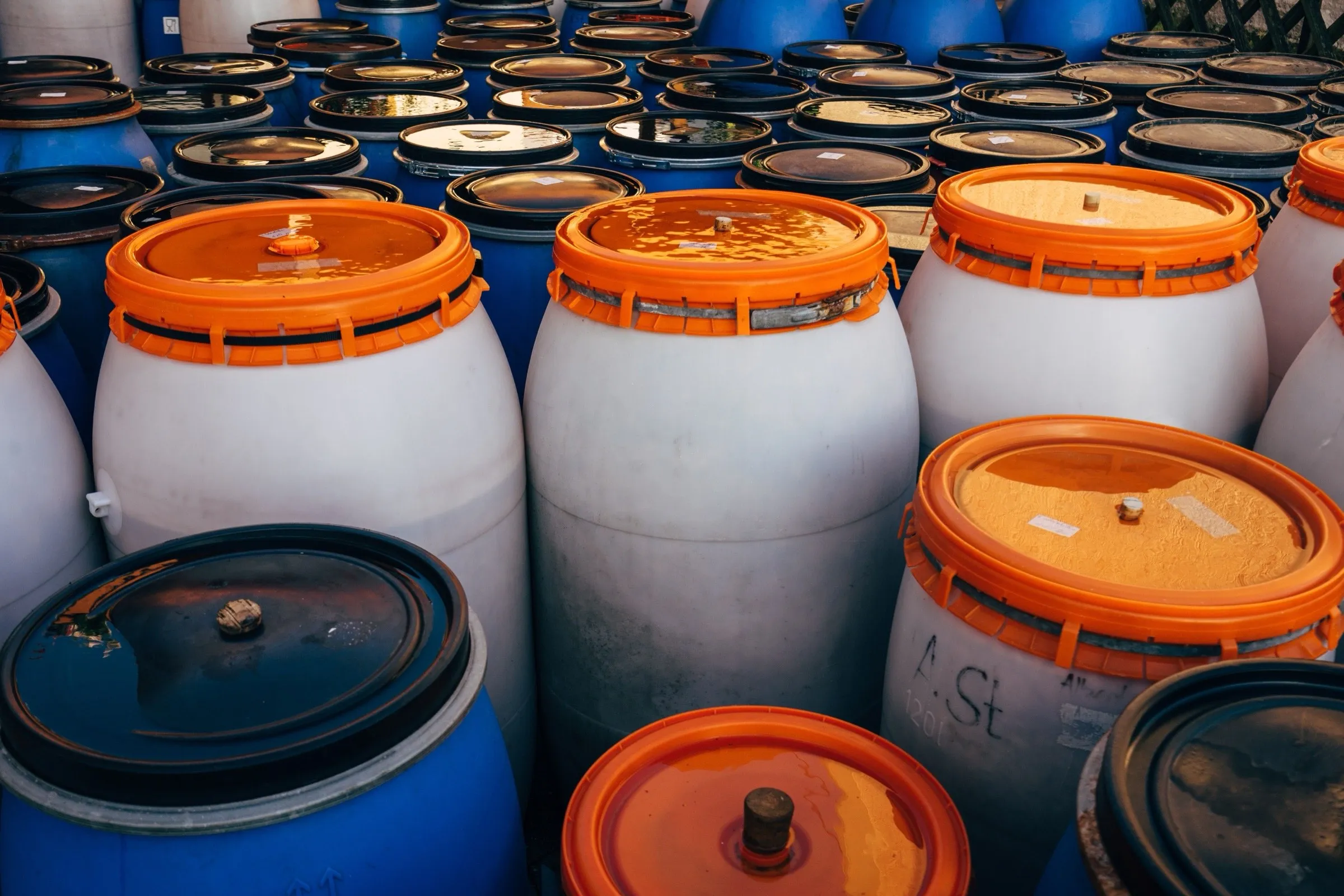
Hazardous materials are freight that can harm people, property, or the environment if it’s mishandled — and shipping it is governed by some of the strictest rules in transportation. A misclassified drum, a missing placard, or an incomplete shipping paper isn’t a paperwork slip; it’s a federal violation, a refused load, or a genuine safety incident. That’s why most shippers don’t move hazmat alone, and why a lot of brokers won’t touch it at all.
RS Group does. We move DOT-compliant hazardous materials in both LTL and full truckload, on carriers certified and equipped to haul them. We handle the parts that go wrong — the hazard classification, the UN numbering, the packaging and marking, the placarding, and the shipping papers — and we put a real person on the load who knows what the regulations require. You ship it once, legally, instead of finding out at a terminal that it can’t move.
Shipping hazardous materials
Hazmat shipping in the United States is regulated by the Department of Transportation under 49 CFR (the Hazardous Materials Regulations), with parallel rules from PHMSA, and — for air — IATA/ICAO. Those rules sort every regulated material into one of nine hazard classes: explosives, gases, flammable liquids, flammable solids, oxidizers and organic peroxides, toxic and infectious substances, radioactive material, corrosives, and a miscellaneous class for everything else dangerous.
Getting a hazmat load moving means getting a chain of details right, in order:
- Classification — identifying the correct hazard class, division, UN number, and proper shipping name for the material.
- Packaging — using UN-specification packaging rated for the material and quantity, in the right packing group.
- Marking and labeling — the UN number, proper shipping name, and hazard labels applied correctly to each package.
- Placarding — the diamond placards the vehicle must display so responders know what it carries.
- Shipping papers — a complete, accurate hazardous materials document (the hazmat BOL) traveling with the freight.
- Emergency information — a 24-hour emergency response number and the right response data accessible during transport.
Miss any one and the load doesn’t legally move. We manage the whole chain so it does.
LTL and full truckload hazmat shipping
Hazmat moves both ways — and the right mode depends on quantity, compatibility, and urgency.
LTL hazardous shipping
When your hazmat freight is smaller than a full truckload — a few drums, a pallet of regulated product, a partial run — less-than-truckload is the cost-effective way to move it. Your freight shares a trailer with other shippers’ freight, so you pay only for the space you use. The catch is segregation: hazmat materials of incompatible classes can’t ride together, so the carrier and the broker have to know what’s already on the trailer and what can legally join it. We route hazmat LTL on carriers with the certifications and the segregation discipline to carry it correctly, and we classify your freight up front so it loads cleanly. (For the mechanics of standard LTL, see LTL freight shipping.)
FTL hazardous shipping
When the quantity is large, the deadline is tight, or the material is sensitive enough that you don’t want it sharing a trailer, full truckload is the answer. The freight rides on a dedicated truck, direct from origin to destination, with no intermediate dock transfers — fewer handling points, less exposure, and a single, uninterrupted run. We match the load to a carrier certified for that hazard class and the right equipment, and we manage the placarding and paperwork for the dedicated move. (See full truckload shipping for how FTL works generally.)
Examples of hazardous materials we ship
Across our 34,000+ carrier network we move regulated freight across the hazard classes, including:
- Paints, coatings, and solvents — flammable liquids (Class 3) that show up constantly in industrial and consumer supply chains.
- Batteries — lithium-ion and lithium-metal batteries (Class 9), which carry their own strict packaging, state-of-charge, and labeling rules whether shipped alone or installed in equipment.
- Industrial and laboratory chemicals — corrosives (Class 8), oxidizers (Class 5), and toxic substances (Class 6), each with its own packaging and segregation requirements.
- Compressed and liquefied gases — Class 2 cylinders and containers, including the dry ice (UN 1845) we supply and ship ourselves.
- Aerosols — pressurized consumer and industrial products that combine a flammable propellant with a gas hazard.
- Adhesives, resins, and cleaning agents — common commercial products that are regulated once they cross a flashpoint or corrosivity threshold.
If you’re not sure whether your product is regulated — or what class it falls in — that’s exactly the question to bring us. We’ll tell you, and if it’s not hazmat, we’ll say so honestly and move it as standard freight.
DOT compliance, handled
The reason to ship hazmat through RS Group instead of going it alone is that compliance is the whole game, and the penalties for getting it wrong are steep — civil penalties per violation, rejected loads, and real safety risk. We treat the classification and documentation as the core of the job, not an afterthought: we identify the material correctly, specify compliant packaging, prepare the shipping papers and emergency information, arrange the placarding, and book a carrier certified and trained for that class. A real person owns the load from pickup to delivery and answers when you call. You get a hazmat shipment that moves legally the first time — and a team that tells you the truth about what your specific material requires.
FAQ
Hazmat shipping questions, answered
What makes a shipment "hazmat"?
A shipment is hazardous material when its contents can pose a risk to health, safety, property, or the environment in transport, and the DOT lists it in 49 CFR. There are nine hazard classes — from flammable liquids like paint to corrosives, gases, and lithium batteries. If you’re unsure whether your product is regulated, tell us what it is and we’ll classify it; if it isn’t hazmat, we’ll move it as standard freight.
Do you handle the hazmat paperwork and placarding?
Yes — that’s the core of the job. We identify the correct hazard class, UN number, and proper shipping name, specify compliant UN-rated packaging, prepare the hazardous materials shipping paper, arrange the diamond placards the vehicle must display, and make sure a 24-hour emergency response number travels with the load. A real person owns the documentation so the shipment moves legally the first time.
Can I ship hazmat as LTL, or does it need a full truck?
Both are options. Smaller hazmat freight moves cost-effectively as LTL, sharing a trailer — but it has to be segregated from incompatible classes, so we route it on carriers with the certifications and segregation discipline to carry it safely. Larger, urgent, or sensitive loads move as a dedicated full truckload with fewer handling points. We match the mode to your material and quantity.
Can you ship lithium batteries?
Yes. Lithium-ion and lithium-metal batteries are Class 9 hazardous materials with their own strict rules on packaging, state of charge, and labeling — whether they ship alone or installed in a device. We handle that classification and documentation and book a carrier certified to haul them. It’s one of the most common hazmat shipments we move.
Related services
Related freight services
LTL freight
How standard less-than-truckload works — the cost-effective base mode for smaller hazmat loads.
View →Full truckload
Dedicated, uninterrupted runs for larger, urgent, or sensitive hazmat shipments.
View →Dry ice shipping
Dry ice is itself a regulated material (UN 1845) — we supply and ship it compliantly.
View →Have a regulated shipment to move?
Tell us what the material is and where it’s going — a real person classifies it, specifies the packaging, prepares the paperwork, and books a certified carrier, so it moves legally the first time.