Standard freight · FTL
Dedicated full truckload shipping
A trailer for your freight alone — dry van, flatbed, or reefer — running direct on priority dispatch. When the load fills a truck or has to arrive on a date, we match the equipment, book the carrier, and follow it door to door.
- Best for 10+ pallets · 15,000+ lbs
- Trailers Dry van · flatbed · reefer
- Transit Direct · guaranteed-date
- Network 34,000+ carriers
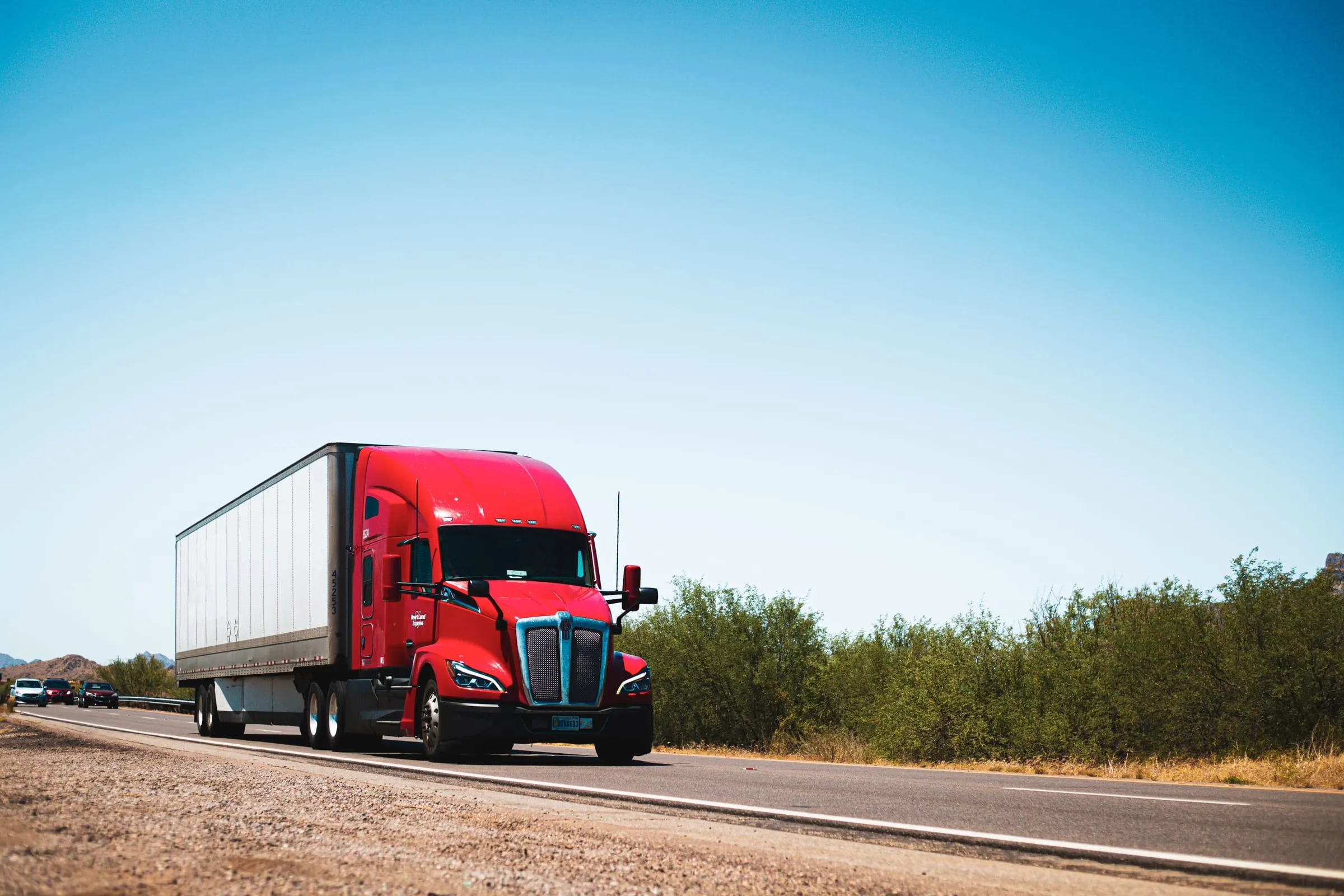
When a shipment is large enough, fragile enough, or urgent enough, it earns a truck of its own. Full truckload (FTL) shipping dedicates an entire trailer to a single shipper’s freight: it loads at your dock, runs direct to the destination, and unloads — no terminals, no transfers, no other shippers’ freight riding alongside. For high-volume, time-sensitive, or fragile loads, that direct run is the fastest, gentlest, and often the most economical way to move freight across the country.
RS Group dispatches full truckloads on a 34,000+ vetted carrier network moving 18,500+ shipments a year. We match your freight to the right trailer, lock in priority dispatch, and put a real person on the load from pickup to delivery — so a truckload that has to be there on a date actually is.
FTL vs LTL: which mode fits your freight?
The single most important freight decision is the mode, and it usually comes down to how much of a trailer your shipment fills. Most freight is one of two things: a full truckload that needs its own trailer, or a less-than-truckload (LTL) shipment that shares one.
Full truckload (FTL)
A full truckload is freight that fills — or nearly fills — a 53-foot trailer: typically more than ten pallets or 15,000+ pounds, or any load that’s too fragile, too valuable, or too time-critical to share space and ride through terminals. You pay for the whole truck, it runs direct, and it’s handled exactly once at each end.
Less than truckload (LTL)
LTL freight is palletized freight too small to need a dedicated truck — usually one to ten pallets, 150 to 15,000 pounds. It shares a trailer with other shippers’ freight, transfers between trucks at terminals, and you pay only for the space and weight you use. It’s the cost-effective default for smaller loads.
The honest rule: ship LTL when your freight is small and cost matters more than speed; ship FTL when the freight fills a truck, has to arrive on a hard date, or can’t survive the handling that LTL terminals involve. Between the two sits partial truckload, which dedicates space on a shared truck without the terminal transfers — often the best value for mid-sized loads. We quote across all three and tell you, honestly, which is cheaper for your lane.
When to use full truckload
Choose FTL when one or more of these is true:
- Your freight fills the trailer — more than about ten standard pallets, or 15,000-plus pounds. Once you’re paying for most of a truck anyway, dedicating the whole truck is usually cheaper than volume LTL and far simpler.
- The deadline is firm. A direct run with no terminal stops has fewer points of delay, so FTL transit is more predictable. We can book it as a guaranteed-date truckload when the window is hard.
- The freight is fragile or high-value. Every LTL terminal transfer is a chance for damage. FTL freight is loaded once and unloaded once — the gentlest path for sensitive cargo.
- The freight is high-risk or regulated. Hazmat, temperature-sensitive, or security-sensitive loads often ship FTL so the trailer carries nothing else.
- You’re shipping recurring volume on a lane. Dedicated, repeatable truckload moves are easy to plan and price around.
Advantages of full truckload
- Direct, faster transit. No terminal stops and no consolidation delays — the truck goes from your dock to the destination.
- Gentler on freight. Loaded once, unloaded once. Fewer touches means fewer claims, which matters for fragile and high-value cargo.
- Predictable scheduling. A dedicated truck runs on a schedule you can plan around, and we can guarantee the date when you need it.
- Cost-effective at volume. When the freight fills a trailer, paying for the whole truck beats paying volume-LTL rates for most of it.
- The whole trailer is yours. Ideal for hazmat, temperature-controlled, oversized, or security-sensitive freight that shouldn’t share space.
Trailer types we dispatch
Matching the trailer to the freight is half of getting a truckload right. We dispatch the three core equipment types — and tell you up front which one your freight needs.
Flatbed
An open deck with no walls or roof, loaded from the top or sides and secured with straps, chains, and tarps. Flatbed is the answer for oversized, irregular, or machinery freight — construction materials, steel, equipment, lumber, anything that can’t fit or load through the doors of an enclosed van. We arrange tarping, oversize permits, and the right tie-down for the load.
Dry van
The standard enclosed 53-foot trailer that carries most general truckload freight, protected from weather and road debris. If your freight is palletized, boxed, or otherwise dock-loadable and doesn’t need temperature control, it almost certainly moves in a dry van.
Refrigerated (reefer)
A temperature-controlled trailer that holds a set temperature — chilled or frozen — for the entire run. Reefer truckload moves food, beverage, produce, floral, and pharmaceutical freight that has to stay within a temperature band from origin to destination. See refrigerated freight for how we monitor and document the cold chain.
| Trailer | Best for | Notes |
|---|---|---|
| Dry van | General palletized & boxed freight | Enclosed, weather-protected, the FTL default |
| Flatbed | Oversized, machinery, building materials | Top/side load, strapped & tarped, may need permits |
| Reefer | Perishable & temperature-sensitive freight | Set-temperature run, monitored end to end |
What kind of shipper uses FTL?
Full truckload is the backbone mode for shippers moving real volume. Manufacturers moving finished goods to distribution centers, food and beverage producers running perishables under temperature control, building-materials and equipment suppliers shipping oversized freight on flatbeds, and any business with regular, lane-based volume all lean on FTL. If you’re moving a trailer’s worth of freight — or freight that can’t share a trailer — truckload is your mode, and a broker with a 34,000+ carrier network finds you a truck and a fair rate even when capacity is tight.
The bottom line
Full truckload is the fastest, gentlest path for freight that fills a trailer or has to arrive on a date. The skill is in the match — the right trailer, the right carrier for your lane, and a real dispatcher who owns the load. That’s what RS Group does on every truckload: we ask the questions up front, book the equipment that fits, and follow the freight to the dock. Not sure whether your shipment is FTL, partial, or LTL? Send us the lane and we’ll quote it across modes so you can see the difference.
FAQ
Full truckload questions, answered
When should I ship FTL instead of LTL?
Ship full truckload when your freight fills most of a trailer (roughly 10+ pallets or 15,000+ pounds), when the delivery date is firm, or when the freight is fragile, high-value, or regulated and shouldn’t share a trailer. LTL is the cheaper choice for smaller palletized loads that can ride with other freight and aren’t on a hard deadline. We quote both so you can see which wins on your lane.
What trailer type does my freight need?
Most general palletized or boxed freight moves in a dry van — an enclosed 53-foot trailer. Oversized, irregular, or machinery freight that can’t load through the doors needs a flatbed, secured with straps and tarps. Temperature-sensitive freight needs a refrigerated (reefer) trailer set to a specific band. We ask the questions up front and match the equipment so the truck that arrives can actually carry your load.
How much does a full truckload cost?
Truckload is quote-based — the rate depends on the lane and distance, the trailer type, the weight, any accessorials, and current market capacity. There’s no flat rate. Tell us the origin, destination, equipment, and what you’re shipping, and a real person prices it against our 34,000+ carrier network and gives you a real number, fast.
Can you guarantee a delivery date on a truckload?
Yes. A direct truckload run has fewer points of delay than LTL, which makes the transit more predictable, and when the window is hard we can book it as a guaranteed-date move. Send us the lane and the deadline and we’ll commit to the date with a carrier chosen for its service record.
Is full truckload cheaper than LTL?
It depends on the load. For small shipments, LTL is cheaper because you only pay for the space you use. But once your freight fills most of a trailer, paying for the whole truck usually beats volume-LTL rates for the same freight — and it’s faster and gentler. When a load sits in between, partial truckload is often the best value. We quote across all three honestly.
Related services
The right mode for your freight
Partial truckload
When the freight is too big for LTL but doesn’t fill a trailer, partial truckload shares the truck without the terminal transfers.
View →LTL freight
Smaller palletized loads that don’t need a dedicated truck — class and density handled for you, priced against the network.
View →Refrigerated freight
Temperature-controlled reefer truckload for food, beverage, and pharma that has to stay cold from origin to destination.
View →Send the lane. Get a real truckload quote, fast.
Tell us what you're shipping, the trailer it needs, and where — a real person prices it against 34,000+ carriers and follows the load to the dock.