Standard freight · Refrigerated
Refrigerated freight shipping
Temperature-controlled reefer freight for food, beverage, produce, floral, and pharma — LTL and truckload, the cold chain held unbroken from origin to destination. We handle the prep, the equipment, and the monitoring; a real person follows the load.
- Modes Reefer LTL · truckload
- Temp Frozen · chilled · cool
- Best for Food · beverage · pharma
- Monitored End to end · documented
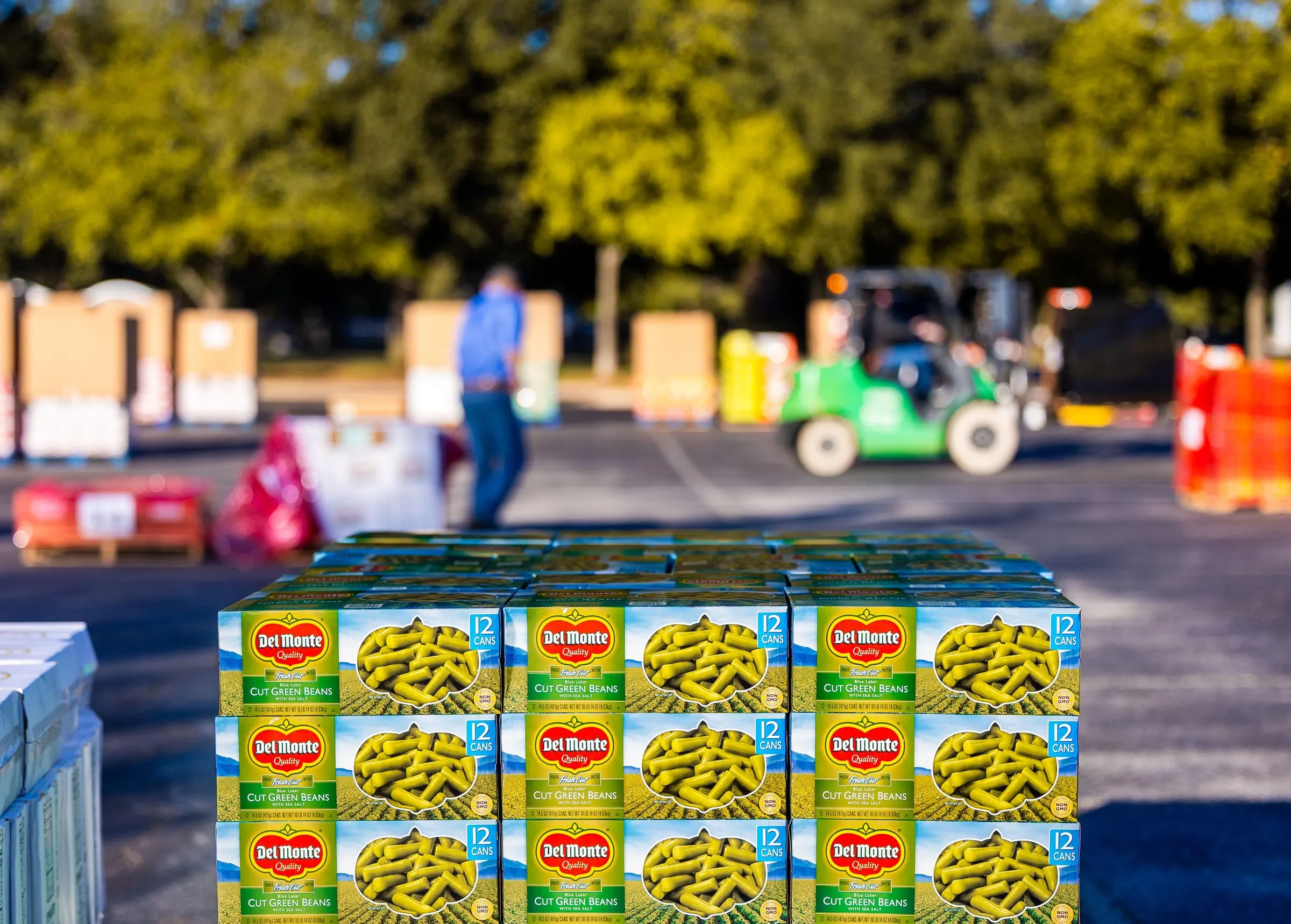
Some freight is on a clock that runs in degrees. Produce, frozen food, fresh seafood, dairy, floral, beverages, and pharmaceuticals all have a temperature band they have to stay inside, and the moment the chain breaks — at the dock, in transit, on a missed appointment — the value of the shipment starts to drain away. Refrigerated freight shipping exists to keep that from happening: a temperature-controlled trailer holds your freight at a set temperature, chilled or frozen, from origin to destination, monitored the whole way.
RS Group ships refrigerated freight in both LTL and full truckload, across a 34,000+ carrier network with reefer capacity. We handle the prep, the equipment match, and the monitoring that an unbroken cold chain requires — and a real person follows the load, because temperature-sensitive freight is exactly the kind you don’t want to find out about after it arrives.
What is reefer freight?
“Reefer” is the industry’s name for a refrigerated trailer — an insulated trailer with its own refrigeration unit that maintains a precise, programmable temperature regardless of the weather outside. Reefer freight is anything that ships inside one: freight that has to stay cold or frozen, or simply protected from temperature extremes, for the entire journey.
A reefer isn’t just a cold box. The unit cycles to hold a setpoint, circulates air so the temperature is even throughout the trailer, and can be programmed for the specific band your product needs — deep-frozen for ice cream, just-above-freezing for produce, a controlled cool for pharmaceuticals or wine. Matching the setpoint and the airflow to the freight is part of getting a reefer shipment right, and it’s part of what we handle.
The benefits of a refrigerated truck
A reefer does more than keep food cold — it protects the whole economics of perishable freight.
- Product quality. Holding a steady temperature keeps food, beverages, and pharmaceuticals at the quality they left in. No thawing, no heat damage, no degraded product arriving at the customer.
- Shelf life. Perishables that stay in their temperature band arrive with more usable shelf life — more days to sell, less product written off at the far end.
- Loss reduction. A broken cold chain means spoiled, unsellable freight and a claim. An unbroken one means the shipment that left is the shipment that arrives — the single biggest cost a reefer prevents.
- Efficiency. A reefer protects large volumes of perishable freight in one move, so you ship more product per trip without risking the load.
- Flexibility. One trailer, many temperatures: the same reefer fleet moves frozen, chilled, and cool-controlled freight, so we can match the exact band your product needs rather than force it into a fixed setting.
Refrigerated shipping made easy
Cold-chain freight has more moving parts than dry freight — the temperature setpoint, the prep, the appointment timing, the monitoring, the documentation. The point of working with a broker is that those parts become our problem, not yours. You tell us what you’re shipping, the temperature it needs, and where it’s going; we match it to a carrier with the right reefer equipment and a clean cold-chain record, set the trailer to the correct band, and follow the load with temperature visibility from pickup to delivery. Whether it’s a few pallets of LTL reefer or a full truckload, the cold chain is handled end to end.
The cost of refrigerated shipping
Refrigerated freight costs more than dry freight, and it’s worth understanding why. A reefer trailer is more expensive to operate — the refrigeration unit burns fuel, the equipment costs more, and reefer-qualified capacity is tighter than dry-van capacity. On top of the lane, the weight, and the accessorials that price any freight, a reefer rate reflects the temperature band (deep-frozen costs more than cool), the season (peak produce season tightens reefer capacity and lifts rates), and how time-sensitive the freight is.
Like all our freight, reefer is quote-based — there’s no flat rate, because the price genuinely depends on your product, your lane, and the market. Tell us what you’re shipping, the temperature, and where, and a real person prices it against our reefer-capable carrier network and gives you a real number. The cost of the reefer is almost always less than the cost of a spoiled load.
Preparing your refrigerated freight: a 6-step procedure
Good reefer carriers do their part, but a clean cold chain starts at your dock. These six steps keep your freight protected from loading to delivery:
- Pre-cool the product. Load freight that’s already at its target temperature — a reefer unit is built to maintain temperature, not pull warm product down to it. Loading warm freight risks the whole load.
- Pre-cool the trailer. Have the reefer running and at setpoint before loading, so the freight never sits in a warm trailer. We confirm the trailer is pre-cooled as part of the dispatch.
- Set the correct temperature. Program the unit to the precise band your product needs — frozen, chilled, or cool — and document the setpoint on the paperwork.
- Load for airflow. Stack and space the freight so cold air can circulate around it. Don’t block the air chute or pack the load wall-to-wall — even cooling depends on airflow.
- Package for cold. Use packaging rated for the temperature and the moisture of a reefer environment, and palletize so the load stays stable and ventilated through transit.
- Monitor and document. Track the temperature in transit and keep the records — proof of an unbroken cold chain protects you on delivery and on any claim.
Temperature monitoring, end to end
The difference between hoping the cold chain held and knowing it did is monitoring. We follow reefer loads with temperature visibility in transit and keep the documentation that proves the setpoint was maintained from pickup to delivery — the record that protects you with your customer and, if anything ever goes wrong, on a claim. A real person watches the load, so a temperature excursion is something we catch and act on, not something you discover when the trailer doors open. That’s the whole promise of shipping reefer with an operator instead of a portal: the cold chain isn’t just set, it’s watched.
Send us the product, the temperature, and the lane — we’ll price it and keep it cold, door to door.
FAQ
Refrigerated freight questions, answered
What temperatures can you ship at?
A reefer trailer holds a precise, programmable setpoint, so we can ship deep-frozen, chilled, or cool-controlled — whatever band your product needs. Tell us the target temperature and we set the trailer to it, confirm it’s pre-cooled before loading, and document the setpoint on the paperwork.
Do you ship refrigerated LTL, or only full truckloads?
Both. We ship a few pallets of reefer LTL or a full reefer truckload, matched to a carrier with the right temperature-controlled equipment and a clean cold-chain record. For smaller perishable loads, reefer LTL keeps cost down; for larger volumes, a full reefer truckload runs direct and gentle.
How do you keep the cold chain from breaking?
An unbroken cold chain starts with prep — pre-cooling the product and the trailer, setting the correct temperature, loading for airflow, and packaging for cold — and is held with monitoring. We follow reefer loads with temperature visibility in transit and keep the documentation that proves the setpoint was maintained from pickup to delivery, so a temperature excursion is caught and acted on, not discovered when the doors open.
Why does refrigerated freight cost more?
A reefer trailer is more expensive to operate — the refrigeration unit burns fuel, the equipment costs more, and reefer-qualified capacity is tighter than dry-van capacity. Beyond the lane and weight, a reefer rate reflects the temperature band (frozen costs more than cool), the season (peak produce season tightens capacity), and how time-sensitive the freight is. It’s quote-based — and almost always far less than the cost of a spoiled load.
Related services
The right mode for your freight
Full truckload
A dedicated reefer truckload runs your temperature-controlled freight direct, with no terminal transfers.
View →LTL freight
For smaller perishable loads, reefer LTL keeps cost down while holding the cold chain.
View →Dry ice shipping
For freight that needs supplemental cooling, we supply and ship commercial dry ice in Atlanta.
View →Send the product, the temperature, and the lane.
Tell us what you're shipping and the band it needs — a real person prices it against our reefer-capable carriers and keeps it cold, door to door.