Standard freight · LTL
Nationwide LTL freight shipping
Less-than-truckload freight that shares a trailer with other shipments — the cost-effective way to move palletized loads that don't fill a truck. We handle the class, the density, and the carrier; a real person follows the load door to door.
- Weight 150 – 15,000 lbs
- Pallets 1 – 10
- Priced by Class · weight · lane
- Network 34,000+ carriers
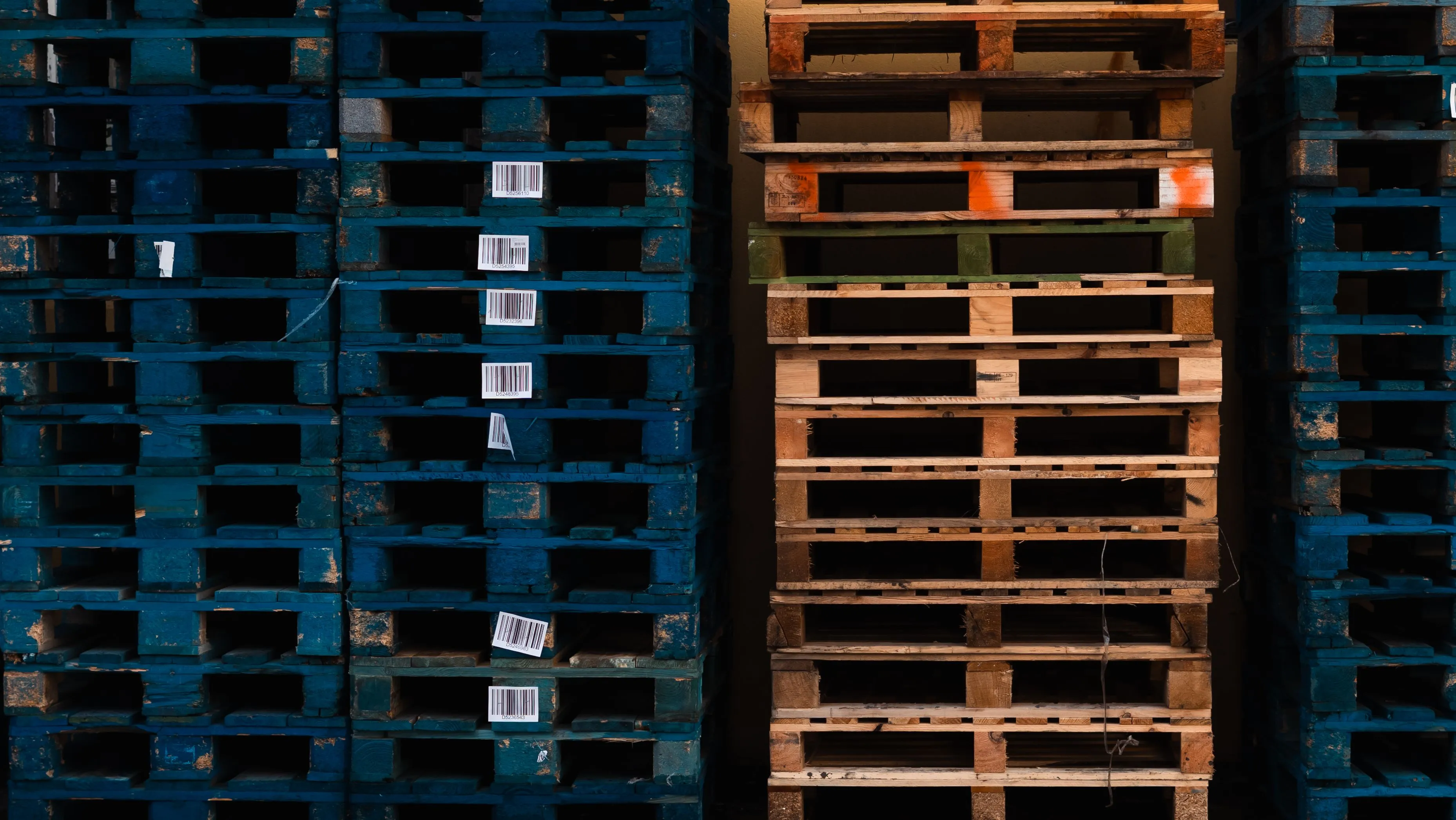
Most freight does not fill a 53-foot trailer. A handful of pallets, a single crate, a partial run of finished goods — paying for a whole truck to move it would be paying for empty space. Less-than-truckload (LTL) shipping solves that: your freight shares a trailer with other shippers’ freight, and you pay only for the room and weight you actually use. It is the workhorse of palletized freight, and for most small and mid-sized shippers it is the default way to move product across the country.
RS Group moves LTL on a network of 34,000+ vetted carrier partners and 18,500+ shipments a year. We handle the parts shippers get wrong — the freight class, the density math, the right carrier for your lane — and we put a real person on the load from pickup to delivery. No portal, no guesswork, no surprise reclass fees you find out about after the fact.
What are LTL shipments?
An LTL shipment is freight that is too large for a parcel carrier but too small to need a dedicated truck — typically one to ten pallets, roughly 150 to 15,000 pounds. Because a single trailer carries freight from several shippers at once, the carrier consolidates loads heading the same direction and you split the cost of the trip.
LTL pricing works differently from parcel or truckload. Your rate is driven by four things: the freight class of what you ship (an NMFC code from 50 to 500 based on density, stowability, handling, and liability), the weight, the origin and destination ZIP codes, and any accessorials — liftgate, residential delivery, inside delivery, limited access. Get the class or density wrong and the carrier reweighs and reclasses the shipment, and the corrected bill lands days later. Getting those inputs right the first time is most of what good LTL handling is, and it is exactly what we do for you.
When LTL is the best option
LTL is the right call when your freight is palletized, doesn’t fill a truck, and isn’t so time-critical that it needs a dedicated run. In practice that covers a huge share of business freight. Choose LTL when:
- You’re shipping 1 to 6 pallets (up to about 10) and roughly 150 to 15,000 pounds.
- Your delivery window is standard transit — a day or two of flexibility, not a hard same-day deadline.
- You want to control cost on smaller, regular shipments rather than pay for unused trailer space.
- Your freight is stackable and well-packaged on standard pallets, so it handles cleanly at dock transfers.
If your freight runs heavier than about 15,000 pounds or fills more than half a trailer, partial truckload or full truckload is usually cheaper and gentler on the freight — we’ll tell you which, honestly, when we quote you. The point of working with a broker is that you don’t have to guess the mode; we match the freight to the right one.
Fast, hassle-free delivery
Modern LTL networks are dense, with terminals across every region and frequent departures, so transit times are predictable and competitive. We match your lane to a carrier with strong service on it — not just the cheapest rate on a screen — so your freight moves on a schedule you can plan around. You get tracking and a single point of contact who actually answers, instead of a ticket number. When a load needs a guaranteed delivery date or AM/PM window, we book it that way up front.
Safe and secure shipping
Every dock-to-dock transfer is a moment where freight can get damaged, so LTL rewards good packaging and good carrier selection. We help you prepare freight that survives the handling — properly stacked, shrink-wrapped, and banded to the pallet — and we route it on carriers with the claims records and equipment to handle it well. For freight that needs extra care, we arrange liftgate service, inside delivery, and protect-from-freeze handling so it arrives the way it left.
Move smaller loads without overpaying
The whole economic case for LTL is that you pay for what you use. A two-pallet shipment doesn’t carry the cost of an empty 53-foot trailer; it carries its fair share of a shared trip. For shippers moving regular small-to-medium volumes — replenishment orders, distributor shipments, e-commerce restocks — that adds up to real, repeatable savings versus truckload, and far better protection and capacity than parcel for anything on a pallet.
Multiple shipping options
LTL isn’t one rigid product. We tailor the move to the freight and the deadline:
- Standard LTL — the cost-effective default for palletized freight on a normal transit window.
- Guaranteed LTL — a locked delivery date, or a specific AM/PM window, when the deadline is firm.
- Expedited LTL — faster transit for time-sensitive freight that still doesn’t need a full truck (see expedited ground shipping).
- Volume LTL — for larger LTL loads (many pallets, higher weight) that sit between standard LTL and a partial truckload, often priced better than either.
- Specialized LTL — liftgate, residential, limited-access, hazmat, and protect-from-freeze handling for freight with special requirements.
Advantages of LTL
- Lower cost on freight that doesn’t fill a truck — you split the trip, not own it.
- Access to a national network — 34,000+ carriers means capacity and competitive rates on virtually any lane.
- Right-sized for small business — no minimum truck to fill, so you ship what you have, when you have it.
- Class and density handled for you — we classify the freight correctly up front, the single biggest source of LTL billing surprises.
- Tracking and a real point of contact — visibility on the load and a person who answers, not a faceless portal.
- Greener by default — consolidating freight onto shared trailers means fewer half-empty trucks on the road.
Equipment used for LTL
LTL freight moves in standard trailers, with the right equipment matched to your freight:
- Dry van — the standard enclosed 28- to 53-foot trailer that carries most palletized LTL freight, protected from weather.
- Liftgate-equipped trailers — a hydraulic gate that lowers freight to ground level when there’s no loading dock, essential for residential and limited-access deliveries.
- Flatbed — for oversized, banded, or machinery freight that can’t load into an enclosed van; secured with straps, chains, and tarps as needed.
- Refrigerated (reefer) — temperature-controlled trailers for food, beverage, and pharma LTL that has to stay cold or frozen (see refrigerated freight).
Matching equipment to freight is part of getting the quote right — we ask the questions up front so the truck that shows up can actually carry what you’re shipping.
Weight and size: the LTL sweet spot
| LTL | |
|---|---|
| Weight | ~150 – 15,000 lbs |
| Pallets | 1 – 10 (typically 1 – 6) |
| Best for | Palletized freight that doesn’t fill a truck |
| Priced by | Freight class, weight, lane ZIPs, accessorials |
Above this range, partial or full truckload is usually the better value — and we’ll quote both so you can see the difference.
FAQ
LTL freight questions, answered
How is an LTL rate calculated?
Four inputs drive an LTL rate: the freight class (an NMFC code from 50 to 500 based on density, stowability, handling, and liability), the weight, the origin and destination ZIP codes, and any accessorials such as liftgate, residential, or limited-access delivery. We classify the freight correctly up front so the quote you get is the bill you pay — no surprise reweigh or reclass.
How do I find my freight class?
Freight class comes mainly from density — your shipment’s weight divided by its cubic footage. Use our freight density calculator and freight class lookup to estimate it, or just tell us the dimensions and weight and we’ll classify it for you. Getting the class right is the single biggest source of LTL billing surprises, so we handle it as part of every quote.
How much does LTL freight cost?
LTL is quote-based — there is no flat rate, because price depends on class, weight, lane, and accessorials. Tell us what you’re shipping and where, and a real person on our team prices it against our 34,000+ carrier network and gives you a real number, fast.
How long does LTL shipping take?
Standard LTL transit depends on the lane and the carriers’ terminal coverage, typically a few business days regionally and longer cross-country. When you have a firm deadline, we can book guaranteed LTL with a locked delivery date or an AM/PM window, or move to expedited service.
Do I need a liftgate?
If the pickup or delivery location has no loading dock or forklift, you need a liftgate — a hydraulic gate that lowers the freight to ground level. It’s common for residential and limited-access deliveries. Tell us up front and we book the right equipment so the truck that arrives can actually unload your freight.
How should I package an LTL shipment?
Stack and shrink-wrap your freight on a sturdy standard pallet, band it down, and label it clearly. Because LTL freight transfers between trucks at terminals, good packaging is what keeps it damage-free — we’ll advise on packaging and arrange protect-from-freeze or extra handling when the freight needs it.
Related services
The right mode for your freight
Partial truckload
When your LTL load grows past ~6 pallets or 5,000 lbs, partial truckload is often cheaper and gentler on the freight.
View →Full truckload
Dedicated dry van, flatbed, or reefer when the freight fills a trailer or needs a single, uninterrupted run.
View →Refrigerated freight
Temperature-controlled reefer LTL and truckload for food, beverage, and pharma that has to stay cold.
View →Send the lane. Get a real LTL quote, fast.
Tell us what you're shipping and where — a real person on our team classifies it, prices it against 34,000+ carriers, and follows it to the dock.