Freight guides · Refrigerated
How to ship refrigerated products
Shipping perishables is about keeping product in its safe temperature window from dock to door. Here's how to choose coolants, packaging, and insulation that actually get it there cold.
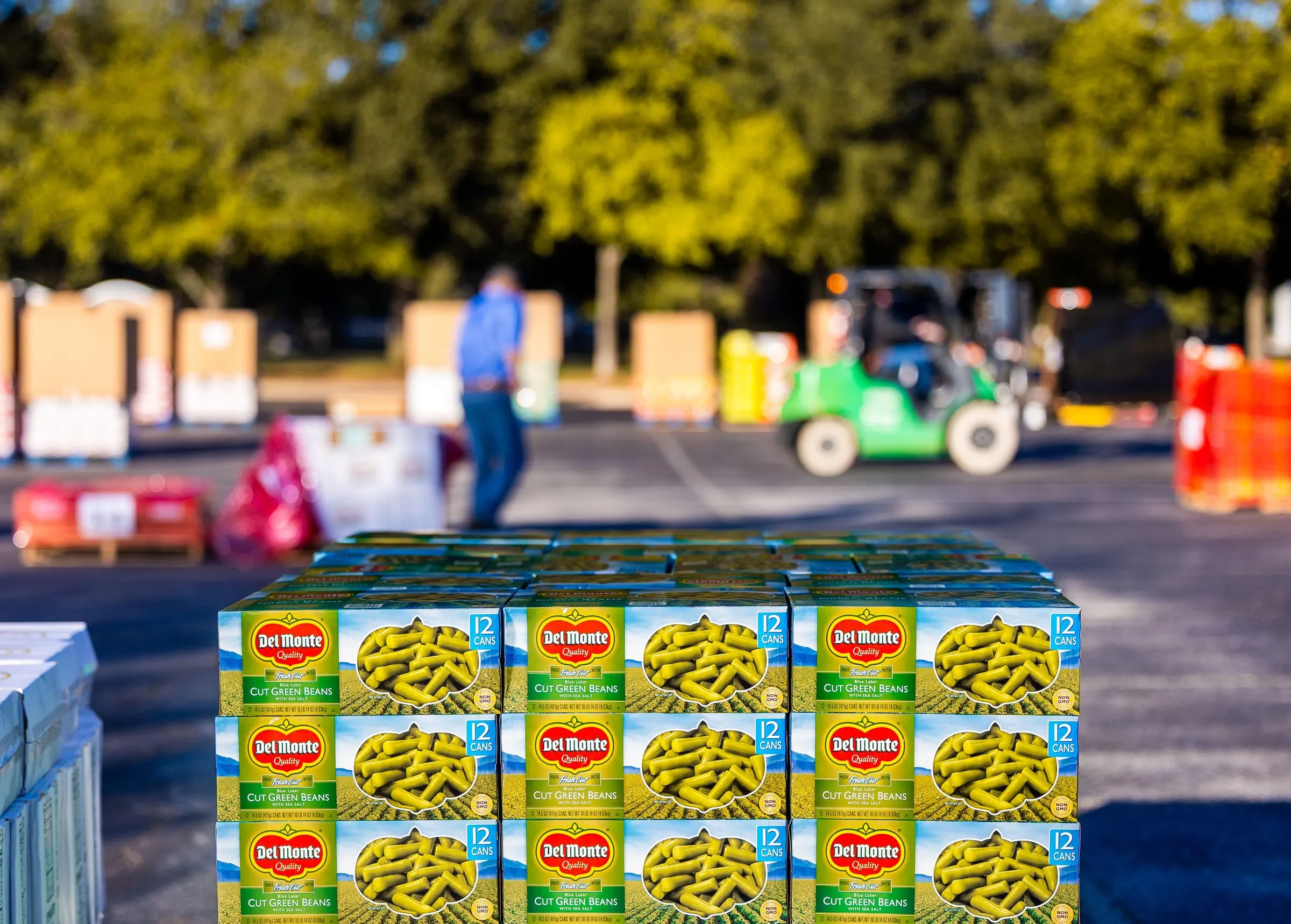
Shipping refrigerated products is one of the least forgiving jobs in freight. Get it right and your customer never thinks about it. Get it wrong — a coolant that runs out halfway, a box that sweats through, a product that drifts out of its safe range — and you’ve shipped spoilage, a claim, or a food-safety problem. The good news is that doing it right is a matter of a few clear decisions, made before the freight ever leaves the dock. Here’s how to make them.
Ensuring food safety
For perishable food, temperature isn’t a quality preference — it’s a safety requirement. The danger zone for most perishable food sits between 40 °F and 140 °F (4 °C–60 °C), where bacteria multiply fastest. Your job in transit is to keep product below that zone the entire way, including the time it spends on docks and in transfers, not just while it’s moving.
That means three things: start cold (never ship product you haven’t already chilled or frozen to its target temperature — packaging maintains a temperature, it doesn’t create one), choose a coolant sized for the full transit time plus a safety margin, and insulate well enough that the cold you packed survives the trip. Label the shipment so everyone who handles it knows it’s perishable and time-sensitive. When the product is sensitive enough or the lane long enough, a temperature-controlled refrigerated (reefer) trailer does the work for you — but for parcels and smaller shipments, the packaging is the cold chain.
Shipping with dry ice
Dry ice — solid carbon dioxide at −78.5 °C (−109.3 °F) — is the workhorse coolant for frozen shipments. It’s far colder than water ice, and because it sublimates (turns straight from solid to gas) it leaves no meltwater behind, so your product and packaging stay dry.
A few rules make dry ice work safely:
- Never seal it airtight. As dry ice sublimates it releases CO₂ gas; in a sealed container that pressure has to go somewhere. Use packaging that lets gas vent.
- Pack enough for the whole trip. Dry ice sublimates at roughly 5–10 lbs per 24 hours depending on insulation and quantity — size it for your transit time plus margin.
- Handle it with insulated gloves. At those temperatures it causes frostbite-like burns on bare skin.
- Label it. Dry ice is a regulated material for air shipment and must be marked and quantity-declared.
RS Group supplies dry ice in Atlanta and ships frozen freight with it nationwide — sized to the transit and handled to spec. If you want the chemistry, here’s how dry ice is made.
Shipping with cold packs
For refrigerated (not frozen) product — produce, dairy, many pharmaceuticals, prepared meals — you usually don’t want dry ice. It’s too cold and can freeze product you only meant to keep chilled. The right tool is a gel cold pack: a sealed pouch of refrigerant gel that you freeze, then pack around the product to hold it in the refrigerated range.
Gel packs are clean, reusable, and forgiving. Pre-freeze them solid, and use enough that they don’t fully thaw before delivery. For longer transits, combine them with strong insulation rather than just adding more packs.
Choosing the right cold packs
Matching the coolant to the product is the decision that makes or breaks a refrigerated shipment:
- Frozen product → dry ice. Keep it deeply frozen; accept that it’s well below freezing.
- Refrigerated product → gel cold packs. Hold the chilled range without freezing what shouldn’t freeze.
- Mixed or sensitive product → gel packs plus a temperature buffer (a layer between pack and product), or phase-change materials engineered to hold a specific temperature.
Then size for transit. A one-day ground move and a three-day cross-country trip are completely different coolant problems. Always plan for the worst realistic case — a weather delay or a missed connection — not the best one, because the cold runs out on the schedule that actually happens, not the one you hoped for.
Packaging materials
The coolant only works if the packaging holds the cold in. Build refrigerated shipments in layers, from the inside out:
- Inner packaging that contacts the product — food-safe, leak-resistant, and appropriate to the item (sealed bags, trays, or the product’s own retail packaging).
- The coolant layer — dry ice or gel packs positioned around and above the product (cold air falls, so coolant on top works harder).
- Insulation that slows heat coming in — usually an insulated liner inside a sturdy corrugated box.
- An outer corrugated box rated for the weight, sealed and labeled.
Use materials matched to the contents. The wrong packaging — a flimsy box, a leaky bag, a liner too thin for the lane — is the most common reason a refrigerated shipment arrives warm.
Glass packaging
Glass is common for beverages, sauces, and many pharmaceutical and specialty products — and it’s the most fragile thing in a cold shipment. Glass and cold are a hard combination: thermal stress from rapid temperature change can crack a bottle, and freight handling does the rest. Protect glass with individual wrapping, rigid dividers that keep bottles from touching, and enough cushioning that nothing shifts. Keep dry ice from contacting glass directly — the extreme cold can shock it. Done right, glass ships cold and intact; done casually, it’s the item most likely to arrive broken and leaking.
Plastic bags and wrappings
Plastic does two quiet but important jobs. Sealed plastic bags keep product dry, contain any leaks, and create a moisture barrier between the product and the condensation that forms inside a chilled box. Plastic wraps and shrink film consolidate multi-item shipments, immobilize contents so they don’t shift in transit, and add a layer of protection against handling. For anything that could leak or absorb moisture, a sealed plastic inner layer is cheap insurance against a messy, spoiled arrival.
Shipping containers and insulation
The outer container and its insulation set the ceiling on how long your cold lasts. The two main approaches:
- Insulated liners in a corrugated box — molded foam (EPS) or panel liners drop inside a standard box. Economical, effective for short-to-medium transits, and easy to source.
- Rigid insulated shippers — purpose-built coolers with thick walls for longer transits or higher-value, temperature-critical product.
Thicker, higher-quality insulation buys you time — and time is the whole game in a refrigerated shipment. The match you’re aiming for is insulation rated for your transit length: enough that the coolant you packed is still working when the box is opened, with margin for the delay you didn’t plan for.
For larger or recurring refrigerated freight, the right answer often isn’t packaging at all — it’s a temperature-controlled reefer trailer that keeps the whole load in range door to door, so you’re not betting the cold chain on a box.
Get refrigerated freight right the first time
Shipping perishables well comes down to a sequence of good decisions: start cold, choose the coolant that matches the product, build the packaging in layers, and insulate for the transit you’ll actually have. Miss one and the cold runs out at the worst moment. RS Group handles refrigerated freight every day — from reefer LTL and truckload to dry-ice-supported frozen shipments. Tell us what you’re moving and how far, and we’ll spec the cold chain to match. Get a freight quote to start.