Specialized · Packaging
Packaging engineered for the freight
Design, optimization, compliance and performance testing, and procurement — packaging that survives the journey at the lowest sensible cost. Fewer damage claims, less dimensional weight, and a lower landed cost per shipment.
- Covers Design → procurement
- Tests Drop · vibration · stack
- Targets Less damage · less cost
- Lens Total landed cost
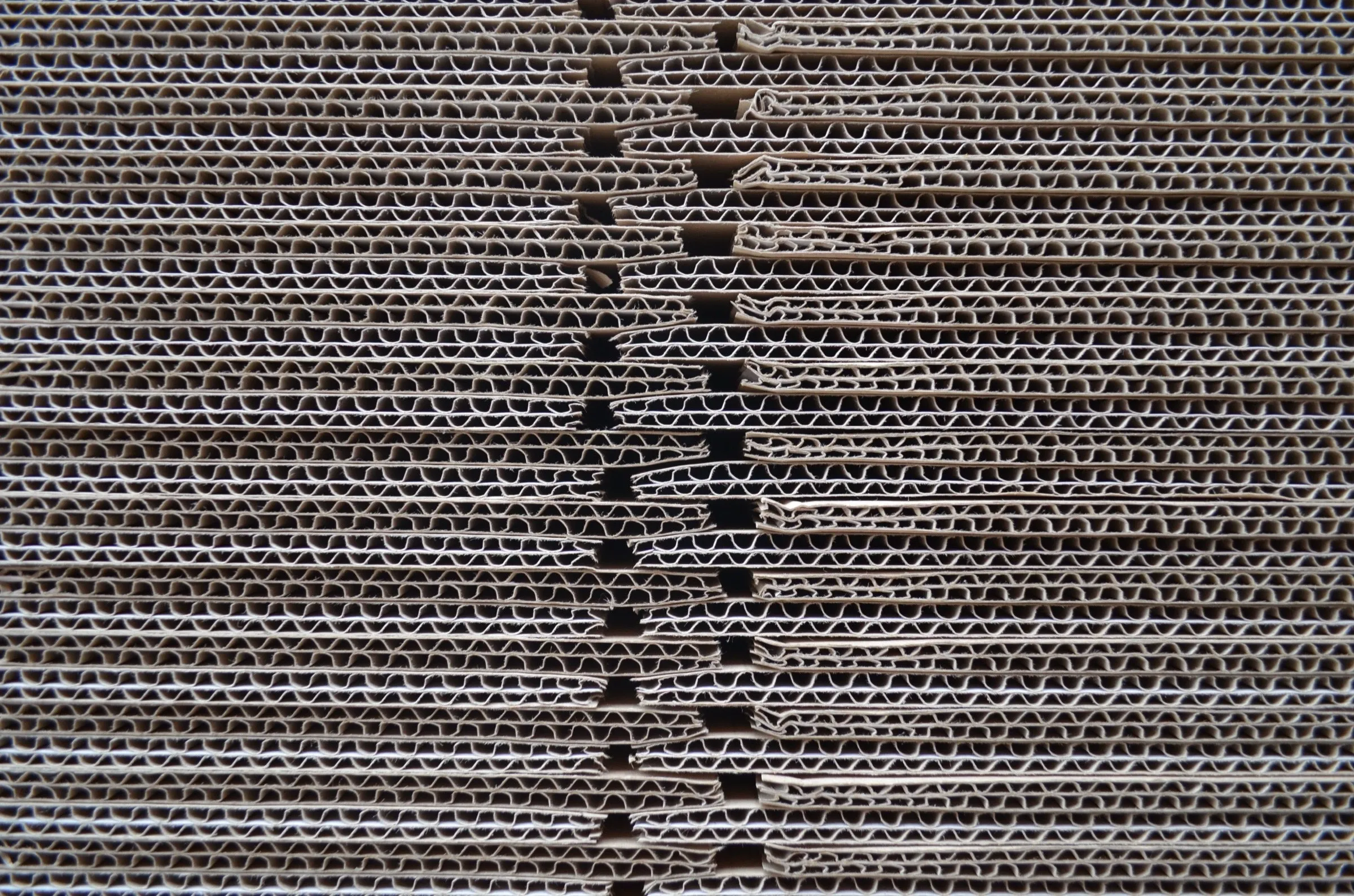
Packaging is the most underrated line item in shipping. Too little and the freight arrives damaged, the claim gets filed, and the customer is unhappy. Too much and you’re paying to ship air, paying for dimensional weight, and burning money on material that doesn’t add protection. The right packaging sits at the intersection of protection, cost, and compliance — and getting it right is an engineering problem, not a guess.
RS Group’s packaging consultants treat it that way. We assess how your product actually moves — the modes, the dock transfers, the handling, the climate — and design packaging that survives the journey at the lowest sensible cost. Whether you’re launching a new product, fighting a damage problem, or trying to cut freight spend, we bring the testing, the design, and the sourcing together so the box does its job and nothing more.
Your packaging consultants
A packaging consultant looks at the whole journey, not just the product on a desk. We start with how your freight is shipped — LTL with its many dock transfers, truckload with fewer touches, refrigerated, hazmat, international — because the handling environment dictates the design. Then we factor in the product’s fragility, weight distribution, stacking, and value, and the carrier and regulatory requirements it has to meet. The output is packaging that’s matched to reality, backed by data instead of habit.
Packaging design and development
We design and develop packaging from the ground up or improve what you already use. That covers the structural design (the box, crate, dunnage, and inner protection), the material selection (corrugated grade, foam, molded pulp, film, palletization), and the prototyping needed to prove it before you commit to a production run. The goal is a package that protects the product through every step it will face — and that’s practical to assemble, ship, and dispose of.
What is packaging optimization?
Packaging optimization is the discipline of getting maximum protection at minimum total cost. It’s where most savings hide. Optimization means right-sizing the package to cut dimensional weight and wasted void; reducing material without sacrificing protection; improving cube efficiency so more product fits per pallet and per trailer; and standardizing where it makes sense to simplify sourcing and assembly. Done well, optimization lowers both the material cost and the freight cost at the same time — the package gets cheaper and ships cheaper.
Damage and cost reduction
Freight damage is expensive twice: the cost of the lost or returned product, and the cost of the claim, the reship, and the eroded customer trust. The two levers — damage and cost — usually pull against each other, and the consultant’s job is to find the point where they balance. We analyze damage patterns to find the real failure mode (it’s rarely where people assume), redesign the weak point, and then strip out the over-packaging that crept in elsewhere. The result is fewer claims and a lower landed cost per shipment, not a trade between them.
Compliance and performance testing
Designing a package is only half the work; proving it survives is the other half. We run packaging through performance testing that simulates the real transport environment — drop, vibration, compression, and stacking tests modeled on the distribution hazards your freight will see (the kind of protocols carriers and standards bodies like ISTA define). For regulated freight, we test and document to the applicable compliance standards — including the packaging requirements for hazardous materials, where UN-rated packaging isn’t optional. Testing turns “we think it’ll hold” into “we’ve proven it holds.”
Packaging procurement
A great design is only useful if you can source it reliably and affordably. We help with packaging procurement — specifying the materials, finding and qualifying suppliers, and structuring the buy so you get consistent quality at a competitive price without overbuying. Because we move freight every day, we connect the packaging spend to the freight spend, so the decision is made on total landed cost, not just the price of a box.
Packaging life cycle analysis
Finally, we look at the package across its whole life cycle — sourcing, assembly, transport, the end-customer experience, and disposal or recyclability. A package that’s cheap to buy but slow to assemble, that ships poorly, or that creates a disposal headache for the customer isn’t actually cheap. Life-cycle analysis weighs all of those costs together — including the sustainability impact — so you choose packaging that’s sound from cradle to grave, not just at the point of purchase.
FAQ
Packaging questions, answered
How can better packaging actually lower my freight cost?
Two ways. Right-sizing the package cuts dimensional weight and wasted void, so you stop paying to ship air. And improving cube efficiency fits more product per pallet and per trailer, lowering cost per unit. Done well, optimization makes the package cheaper to buy and cheaper to ship at the same time — and fewer damage claims on top of that.
Do you test packaging before we commit to it?
Yes. We run packaging through performance testing that simulates the real transport environment — drop, vibration, compression, and stacking tests modeled on the distribution hazards your freight will face. For regulated freight we also test and document to the applicable compliance standards, including UN-rated packaging for hazardous materials. Testing turns "we think it’ll hold" into proof that it holds.
We have a recurring damage problem — can you help diagnose it?
That’s a core part of what we do. We analyze the damage pattern to find the real failure mode, which is rarely where people assume, redesign the weak point, and then strip out the over-packaging that’s usually crept in elsewhere. The goal is fewer claims and a lower landed cost per shipment — not a trade between protection and price.
Can you also source the packaging, not just design it?
Yes. We help with procurement — specifying materials, qualifying suppliers, and structuring the buy for consistent quality at a competitive price without overbuying. Because we move your freight too, we connect the packaging spend to the freight spend so the decision is made on total landed cost, not just the price of a box.
Related services
Where packaging meets the freight
Hazmat shipping
Regulated freight needs UN-rated packaging — we test and document it to 49 CFR.
View →LTL freight
LTL’s many dock transfers reward packaging engineered to survive the handling.
View →Dry ice shipping
Cold-chain packaging that holds temperature and vents safely for perishable loads.
View →Fighting damage — or paying to ship air?
Tell us what you ship and how it moves — our packaging consultants assess the real journey, design and test the right package, and connect it to your freight so you cut damage and cost together.